The Scientific Rationale Behind K-Beauty Ingredient Layering
K-beauty skincare routines prioritize the maintenance of the epidermal barrier through the sequential application of products based on molecular weight and pH compatibility. By layering ingredients from the lowest viscosity to the highest, users ensure optimal penetration of humectants and occlusives without compromising the skin's natural lipid structure.
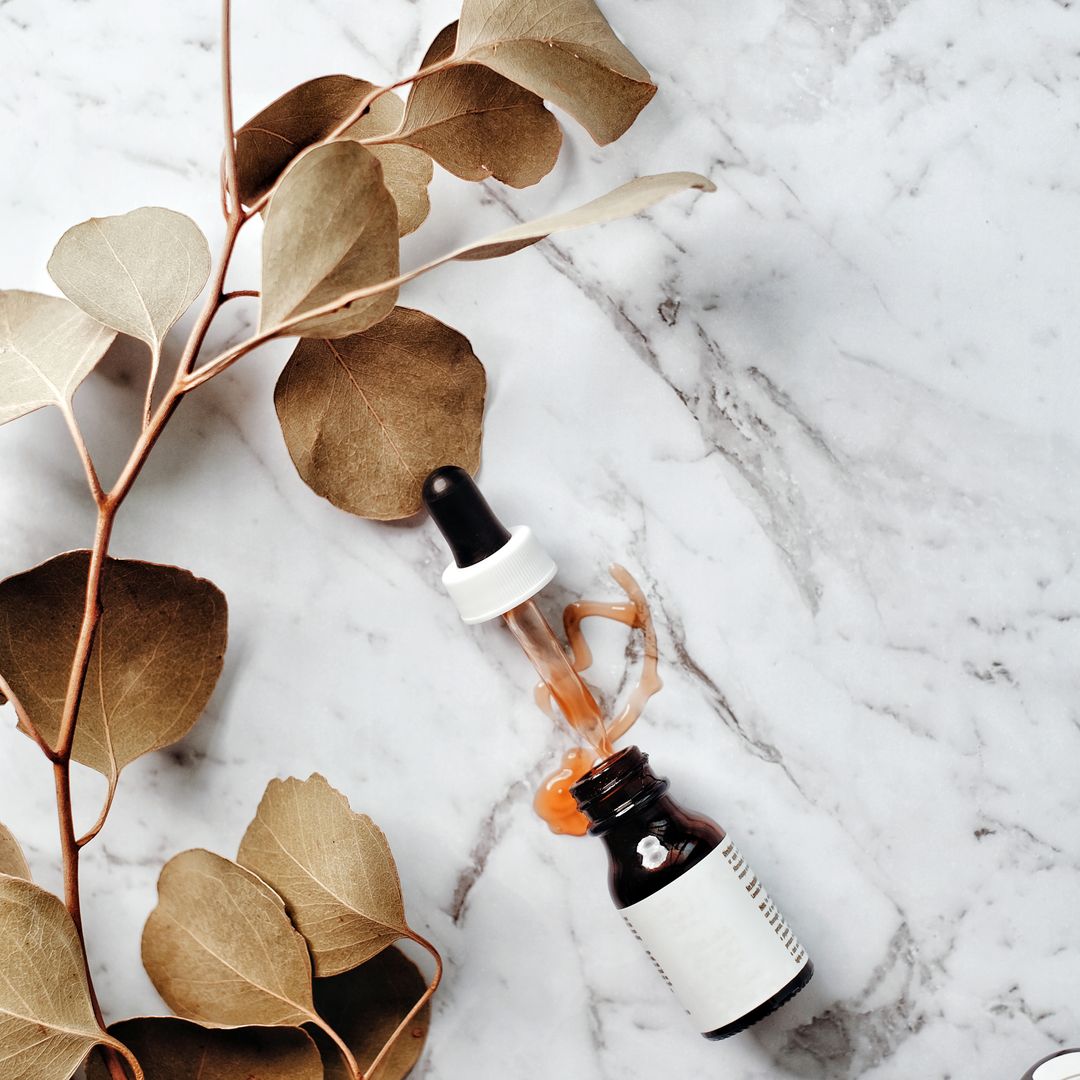
Key takeaways
- Layering order is dictated by product viscosity; apply watery toners before thicker creams to prevent barrier blockage.
- The skin barrier functions best when pH levels remain slightly acidic, typically between 4.5 and 5.5.
- Over-layering can lead to transepidermal water loss (TEWL) if occlusive agents are not applied to seal in hydration.
- Ingredient compatibility, such as avoiding the simultaneous use of high-concentration acids and retinol, is critical to preventing contact dermatitis.
Understanding the Epidermal Barrier
The stratum corneum, the outermost layer of the skin, acts as a selective permeability barrier. In K-beauty, the focus is not merely on surface aesthetics but on strengthening this barrier against environmental stressors. Science-led skincare requires an understanding of the lipid bilayer, which consists of ceramides, cholesterol, and free fatty acids. When these lipids are disrupted by harsh surfactants or excessive exfoliation, the skin becomes susceptible to irritation and dehydration.
The Molecular Weight Hierarchy
The efficacy of a multi-step routine depends on the ability of active ingredients to reach their target depth. Small molecules, such as those found in essences and serums, are designed to penetrate the upper layers of the epidermis. Conversely, heavy occlusives like shea butter or squalane are formulated to remain on the surface to prevent evaporation. Applying a heavy cream before a lightweight serum creates a physical barrier that prevents the serum from reaching the skin, rendering the active ingredients ineffective.
Standard Application Sequence
- Cleansing: Remove surface debris and pollutants using a pH-balanced cleanser.
- Toning: Rebalance the skin's pH to prepare for subsequent absorption.
- Essence/Serum: Apply targeted treatments based on specific skin concerns like hyperpigmentation or dehydration.
- Emulsion/Moisturizer: Provide a foundational layer of hydration.
- Occlusive/Sunscreen: Seal in moisture and protect against ultraviolet radiation.
pH Balancing and Chemical Compatibility
The skin's acid mantle is a protective film that inhibits the growth of pathogenic bacteria. Many traditional skincare products have a neutral or alkaline pH, which can disrupt this mantle. K-beauty formulations often emphasize low-pH cleansers and toners to maintain this environment. It is essential to check the compatibility of ingredients; for instance, mixing Vitamin C (ascorbic acid) with Niacinamide can sometimes lead to flushing in sensitive skin due to the formation of nicotinic acid, depending on the formulation's stability.
Ingredient Spotlight: Fermented Extracts
Fermentation is a hallmark of K-beauty, involving the breakdown of large molecules into smaller, more bioavailable components. Research suggests that fermented ingredients, such as Galactomyces ferment filtrate, may enhance the absorption of nutrients and provide antioxidant benefits. However, fermentation processes can also produce byproducts that may trigger sensitivities in individuals with specific contact allergies. Always patch-test new fermented products on the inner forearm for 48 hours before facial application.
Practical Application Checklist
To ensure a safe and effective regimen, follow this checklist before introducing new products:
- Verify Ingredient Lists: Identify the primary active ingredient and research its known interactions.
- Patch Testing: Apply a small amount to the jawline or behind the ear for three consecutive days.
- Monitor Barrier Integrity: If you experience stinging or redness upon application, discontinue use immediately.
- Sun Protection: Regardless of the active ingredients used, a broad-spectrum SPF is mandatory during daylight hours.
- Consistency: Allow at least four weeks of consistent use to observe changes in skin texture or tone, as this aligns with the natural skin cell turnover cycle.
Common Formulation Myths
There is a misconception that more steps automatically equate to better skin health. In reality, the efficacy of a routine is determined by the quality of the ingredients and the health of the individual's skin barrier. Over-exfoliation, often resulting from the misuse of AHAs (Alpha Hydroxy Acids) or BHAs (Beta Hydroxy Acids) in multiple steps, is a common cause of compromised skin. Scientific evidence suggests that gentle, consistent maintenance is superior to aggressive, high-concentration treatments.
Frequently asked questions
Q: Does a 10-step routine work for everyone?
A: No. A routine should be customized based on individual skin type, environmental factors, and specific dermatological needs rather than a fixed number of steps.
Q: Can I use different brands in one routine?
A: Yes, provided the ingredients are compatible. Focus on the pH and the function of each product rather than brand loyalty.
Q: How do I know if my skin barrier is damaged?
A: Signs include persistent tightness, redness, stinging when applying basic products, and unusual breakouts that do not respond to standard treatments.
Before you decide
- Ministry of Food and Drug Safety: Verify regulatory standards for cosmetic safety and labeling requirements in Korea.
- National Institutes of Health: Research the biological mechanisms of skin health and common dermatological conditions.
- MedlinePlus: Access reliable information on skin care ingredients and potential side effects.
As of: February 2026
This information is intended for educational purposes only and does not constitute professional medical advice, diagnosis, or treatment. Always seek the advice of a dermatologist or other qualified health provider with any questions regarding a medical condition or skincare regimen.


Comments
Post a Comment