The Science of Barrier Repair: Understanding K-Beauty Ingredient Efficacy
K-Beauty focuses on skin barrier integrity by prioritizing hydration and the maintenance of the stratum corneum rather than aggressive exfoliation. Achieving long-term skin health requires a rigorous understanding of how specific humectants, emollients, and occlusives interact with the skin’s natural lipid bilayer to prevent transepidermal water loss.
Key takeaways
- The skin barrier is a complex structure of corneocytes and lipids that requires a balanced pH to function optimally.
- Ingredient concentration matters less than delivery systems and the synergistic relationship between actives.
- Over-exfoliation is the primary cause of barrier disruption in modern skincare routines.
- Consistency in application is more effective for long-term health than high-intensity, sporadic treatments.
The Physiology of the Stratum Corneum
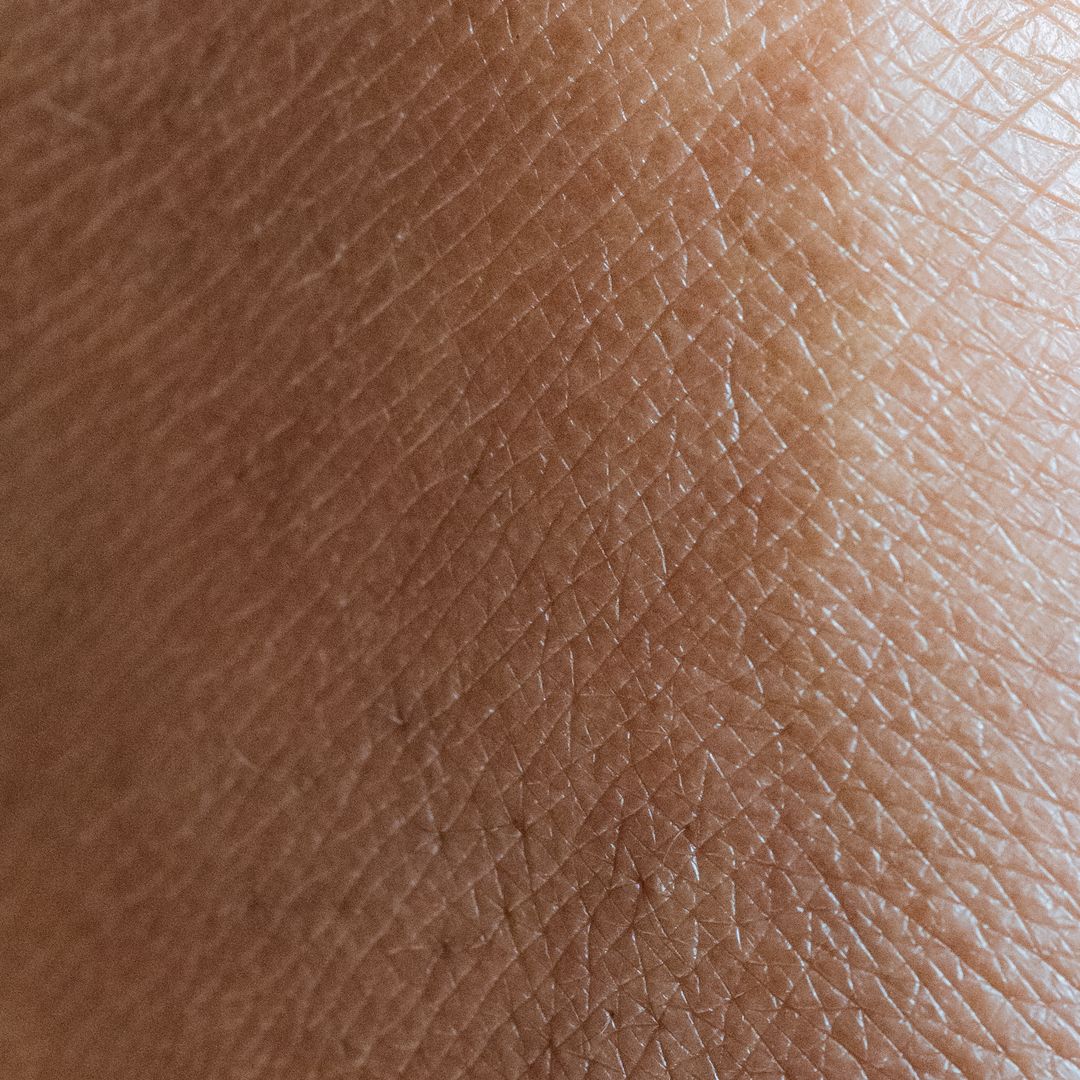
The outermost layer of the skin, the stratum corneum, acts as a physical and chemical shield. In K-Beauty science, we view this layer as a brick-and-mortar structure where corneocytes are the bricks and the lipid matrix (ceramides, cholesterol, and fatty acids) serves as the mortar. When this mortar is compromised, the skin becomes susceptible to environmental irritants and dehydration. Understanding this structure is essential for anyone looking to optimize their routine based on evidence rather than marketing trends.
Common Humectants and Their Molecular Mechanisms
Humectants are substances that attract water to the skin. While many products highlight high percentages of these ingredients, efficacy is determined by the molecular weight and the environmental humidity.
Hyaluronic Acid Variations
Hyaluronic acid (HA) is a glycosaminoglycan capable of holding significant amounts of water. In professional formulations, we often see a mix of high-molecular-weight HA, which sits on the surface to provide an immediate plumping effect, and low-molecular-weight HA, which penetrates deeper to hydrate the lower layers of the epidermis. However, if the ambient humidity is extremely low, HA can potentially draw moisture out of the skin if not sealed with an occlusive.
The Role of Fermentation in Skincare
Fermented ingredients, a staple in Korean formulations, undergo a process where microorganisms break down large molecules into smaller, more bioavailable components. This process can increase the concentration of amino acids and peptides within the extract. While the science is still evolving, the primary benefit observed is the improved absorption of these smaller molecules into the skin. It is important to note that individuals with compromised barriers or specific sensitivities may find fermented extracts irritating, as the process can alter the pH of the final product.
How to Build a Barrier-Focused Routine
Building a routine should be a deliberate, step-by-step process. Adding too many products at once makes it impossible to identify which ingredient is causing a reaction or providing a benefit.
- Cleanse with a low-pH, non-stripping cleanser to maintain the acid mantle.
- Apply a hydrating toner while the skin is still damp to maximize absorption.
- Layer a serum containing barrier-strengthening ingredients like panthenol or madecassoside.
- Seal the hydration with a moisturizer containing ceramides to mimic the skin's natural lipid structure.
- Apply a broad-spectrum sunscreen as the final step during daytime hours to prevent UV-induced barrier degradation.
Evaluating Ingredient Synergy
Effective skincare is rarely about a single "miracle" ingredient. It is about how ingredients work together. For instance, pairing niacinamide with ceramides can help improve the skin’s ability to retain moisture while simultaneously addressing redness. Conversely, pairing high-strength retinoids with strong acids can lead to chemical burns and barrier collapse. This information is intended for skincare enthusiasts who prioritize evidence-based practices and was last reviewed for accuracy in early 2026.
Actionable Barrier Health Checklist
Use this checklist to assess your current routine and identify potential areas for improvement:
- [ ] Does my cleanser leave my skin feeling tight or "squeaky" clean? (If yes, it is likely too harsh).
- [ ] Have I introduced more than two new products in the last month? (If yes, scale back to baseline).
- [ ] Am I using a physical exfoliant more than once a week? (If yes, consider reducing frequency).
- [ ] Is my moisturizer formulated with lipid-replenishing ingredients like ceramides or squalane?
- [ ] Do I wear SPF 30 or higher every single day, regardless of the weather?
Frequently asked questions
Why does my skin feel tight after washing?
Tightness usually indicates that your cleanser has a pH that is too high, which disrupts the skin's natural acidic environment and strips away essential oils.
Can I use too many serums in one routine?
Yes. Over-layering can lead to pilling and may prevent the skin from absorbing the active ingredients effectively, while also increasing the risk of irritation.
How long does it take to repair a damaged barrier?
Depending on the severity of the damage, it typically takes the skin's natural turnover cycle, which is approximately 28 days, to show significant improvement with consistent, gentle care.
Before you decide
- Ministry of Food and Drug Safety: Official safety standards and ingredient regulations in South Korea.
- National Institutes of Health: General research on skin physiology and dermatological health.
- World Health Organization: Global health perspectives and safety guidelines.
As of: May 2026
This content is for informational purposes only and does not constitute professional medical advice, diagnosis, or treatment. Always seek the advice of a dermatologist or other qualified health provider with any questions you may have regarding a medical condition or skincare concern.


Comments
Post a Comment