The Science of Barrier Repair: Understanding K-Beauty Ingredient Efficacy
Key takeaways
- Korean skincare efficacy relies on the systematic strengthening of the stratum corneum rather than aggressive exfoliation.
- Ingredients like panthenol, ceramide NP, and centella asiatica are prioritized for their documented ability to support skin homeostasis.
- Skin barrier health is measured by transepidermal water loss (TEWL) levels, which can be stabilized through consistent, evidence-based ingredient application.
- Avoid the common pitfall of over-layering active ingredients, which can induce contact dermatitis or barrier disruption.
The Biological Foundation of the Skin Barrier
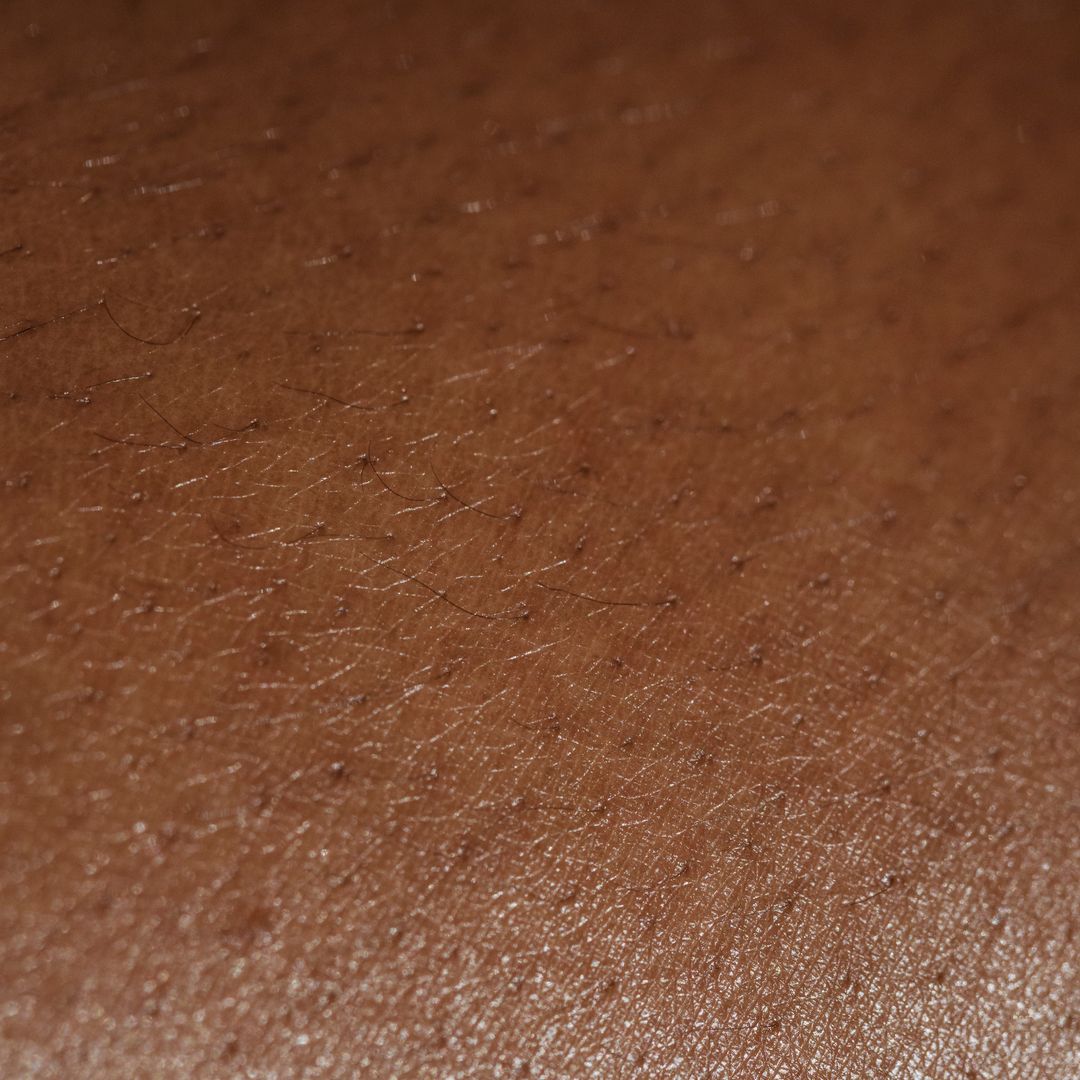
The skin barrier, or the stratum corneum, acts as the primary defense mechanism against environmental stressors. In the context of K-beauty, the focus is placed on the lipid bilayer—a structure composed of ceramides, cholesterol, and fatty acids. When this structure is compromised, the skin becomes susceptible to irritation and dehydration. Unlike Western trends that often emphasize rapid turnover through high-percentage acids, the scientific approach in Korean dermatology emphasizes the preservation of the acid mantle, typically maintaining a pH level between 4.5 and 5.5.
Core Ingredients for Barrier Integrity
Research indicates that specific ingredients are essential for maintaining the structural integrity of the skin. Panthenol (Vitamin B5) is frequently utilized for its humectant properties and its ability to promote fibroblast proliferation. Similarly, Centella Asiatica, specifically its active compounds madecassoside and asiaticoside, has been studied for its anti-inflammatory properties, which help in mitigating erythema. Ceramides, particularly Ceramide NP, are essential for replenishing the lipid matrix, ensuring that the skin remains occlusive and hydrated.
How to Structure a Barrier-Focused Routine
A systematic approach to skincare ensures that ingredients are absorbed effectively without overwhelming the skin. Follow these steps to maintain a balanced routine:
- Cleansing: Use a pH-balanced, non-stripping cleanser to remove environmental pollutants without disrupting the lipid barrier.
- Hydration: Apply a toner containing low-molecular-weight hyaluronic acid on damp skin to facilitate moisture retention.
- Treatment: Apply a serum containing panthenol or Centella Asiatica to address specific inflammation or sensitivity.
- Sealing: Use a moisturizer containing ceramides or squalane to prevent transepidermal water loss.
- Protection: Apply a broad-spectrum sunscreen during daylight hours to prevent UV-induced barrier degradation.
Common Mistakes in Skincare Application
Many consumers inadvertently damage their skin by over-cleansing or using incompatible active ingredients. A primary concern is the use of high-concentration AHAs (Alpha Hydroxy Acids) and BHAs (Beta Hydroxy Acids) simultaneously. While these ingredients are effective for chemical exfoliation, excessive use can lead to a compromised barrier, resulting in increased sensitivity. It is vital to monitor the skin for signs of distress, such as tightness, stinging, or persistent redness, which are clinical indicators that the barrier has been breached.
Evaluating Ingredient Concentration and Formulation
It is a misconception that higher concentrations of an active ingredient always yield better results. In dermatological studies, the vehicle—the base in which the active ingredient is suspended—is often as important as the ingredient itself. A well-formulated product ensures the stability of the active compounds and their effective delivery into the epidermis. When selecting products, prioritize those that have undergone stability testing to ensure the active ingredients remain potent throughout the product's shelf life.
Checklist for Product Selection
- Check the ingredient list for the presence of ceramides, cholesterol, and fatty acids in a 3:1:1 ratio.
- Avoid products with high concentrations of volatile alcohols, which can strip natural oils.
- Look for fragrance-free formulations if you have a history of contact dermatitis.
- Verify that the product packaging protects light-sensitive ingredients, such as Vitamin C or certain plant extracts, from oxidation.
- Ensure the product has been tested for safety and efficacy in a controlled environment.
The Role of Environmental Factors
The skin's condition is not static; it is influenced by environmental factors such as humidity, temperature, and pollution levels. In Korea, the seasonal transition from humid summers to arid winters requires a dynamic approach to skincare. During the winter months, the decrease in ambient humidity necessitates the use of more occlusive creams to prevent moisture loss. Conversely, in the summer, lighter, water-based formulations may be sufficient to maintain hydration levels without causing pore congestion.
Frequently asked questions
Q: Can I use retinol and vitamin C in the same routine?
A: While both are effective, they are best used at different times of the day to minimize the risk of irritation, as their pH requirements differ significantly.
Q: How long does it take to repair a damaged skin barrier?
A: Barrier repair is a biological process that typically takes between 28 to 42 days, depending on the individual's skin cell turnover rate and the severity of the damage.
Q: Is double cleansing necessary for everyone?
A: Double cleansing is primarily intended to remove oil-based impurities like sunscreen and sebum; individuals with very dry or sensitive skin may find a single, gentle cleanse sufficient.
Before you decide
- Ministry of Food and Drug Safety: Verify safety standards and regulatory information for cosmetic products in Korea.
- National Institutes of Health: Access peer-reviewed research on skin physiology and ingredient efficacy.
- MedlinePlus: Review reliable health information regarding skin conditions and dermatological health.
As of: May 2026
This information is intended for educational purposes only and does not constitute professional medical advice. Always consult with a qualified dermatologist or healthcare professional regarding your specific skin concerns or medical conditions.


Comments
Post a Comment