How Fermented Filtrates and Centella Asiatica Bioactives Stabilize Disrupted Epidermal Barrier Function
Centella asiatica isolated triterpenes and yeast fermentation filtrates improve skin barrier recovery by supporting lipid envelope synthesis and reducing pro-inflammatory cytokine activity. When formulated at physiological pH levels between 4.5 and 5.5, these ingredients lower transepidermal water loss and reinforce stratum corneum architecture in reactive skin. This evidence-based guide outlines how these specialized Korean cosmetic ingredients interact with epidermal layers to stabilize sensitive skin conditions.
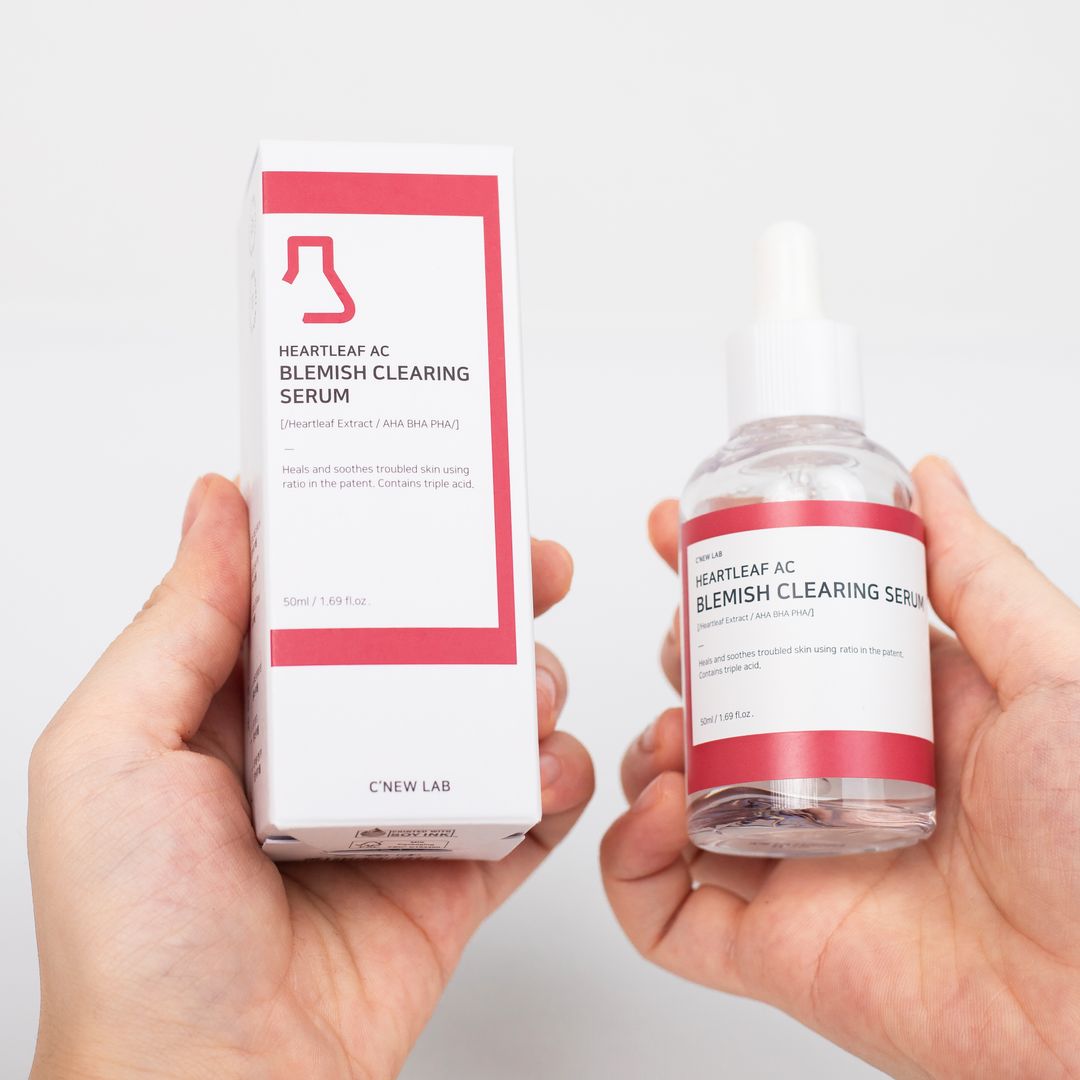
Key takeaways
- Purified Centella triterpenes (madecassoside and asiaticoside) downregulate inflammatory signaling while promoting collagen type I synthesis in dermal fibroblasts.
- Fermented filtrates supply low-molecular-weight organic acids and amino acids that support the skin natural moisturizing factor (NMF) and acid mantle.
- Equimolar lipid ratios combining ceramides, cholesterol, and free fatty acids are necessary to structural rebuild of the extracellular matrix.
- Formulation pH must remain strictly between 4.5 and 5.5 to maintain baseline serine protease activity and prevent lipid processing enzyme inhibition.
Lipid Matrix Dynamics and Stratum Corneum Health
This article is written for skincare researchers, cosmetic formulators, and consumers seeking evidence-led guidance on barrier repair, and was last updated and verified in March 2026. The outermost layer of the human epidermis, the stratum corneum, functions primarily as a physical and chemical permeability barrier. Anatomically described through the classic brick-and-mortar model, protein-rich corneocytes represent the bricks, surrounded by a continuous extracellular lipid matrix representing the mortar. This extracellular matrix is uniquely composed of equimolar ratios of free fatty acids, cholesterol, and ceramides. When this delicate 1:1:1 molar ratio is altered due to environmental stressors, over-exfoliation, or intrinsic dermatological conditions, the structural integrity of the lipid lamellae degrades.
Barrier disruption accelerates transepidermal water loss (TEWL) and facilitates the inward penetration of exogenous irritants, allergens, and pathogenic micro-organisms. This flux triggers keratinocytes to release pre-formed interleukin-1 alpha (IL-1a), initiating a cascade of pro-inflammatory cytokines including interleukin-6 (IL-6) and tumor necrosis factor-alpha (TNF-a). To counteract this pathway, contemporary K-beauty formulation science emphasizes ingredients capable of both suppressing acute inflammatory cascades and accelerating endogenous lipid biogenesis.
Pharmacological Profile of Centella Asiatica Bioactives
Centella asiatica, traditionally referenced in Korean herbal practice as Byeongpul, contains active secondary metabolites known as pentacyclic triterpenes. While crude plant extracts offer generalized antioxidant support, modern clinical skincare relies on standardized concentrations of isolated triterpenic compounds: madecassoside, asiaticoside, asiatic acid, and madecassic acid.
Madecassoside and Cytokine Downregulation
Madecassoside is an isolated glycosidic triterpene that demonstrates specific activity in controlling cutaneous inflammation. In vitro assays indicate that madecassoside inhibits nuclear factor kappa B (NF-kB) translocation, directly suppressing the expression of inducible nitric oxide synthase (iNOS) and cyclooxygenase-2 (COX-2). By blunting these specific enzymatic pathways, madecassoside attenuates erythema and local hyperreactivity in compromised skin tissue.
Asiaticoside and ECM Synthesis
While madecassoside targets inflammatory cascades, asiaticoside operates primarily on extracellular matrix (ECM) restoration. Asiaticoside stimulates TGF-beta signaling pathways, which upregulates gene expression responsible for type I collagen synthesis in dermal fibroblasts. Additionally, it aids in the synthesis of glycosaminoglycans, enhancing the hydration capacity of the underlying dermis and supporting overall structural cohesion.
Bio-Fermentation Technology and Microbial Metabolites
Fermentation technology forms a foundational pillar of modern Korean cosmetic chemistry. The process utilizes controlled micro-organisms—typically species of Saccharomyces, Galactomyces, or Bifida—to enzymatically breakdown complex botanical substrates into bioavailable, low-molecular-weight constituents.
During the fermentation of substrates like rice, soy, or botanical extracts, complex proteins and polysaccharides are cleaved into free amino acids, organic acids, vitamins, and beta-glucans. These smaller molecular entities penetrate the superficial layers of the stratum corneum far more efficiently than unfermented mother compounds.
Furthermore, fermented filtrates consistently yield naturally occurring organic acids, such as lactic acid and succinic acid, which help maintain the acid mantle at its natural pH range of 4.5 to 5.5. Maintaining this acidic microenvironment is crucial: beta-glucocerebrosidase and acid sphingomyelinase—the primary enzymes responsible for processing precursor lipids into functional barrier ceramides—require an acidic pH to operate efficiently.
Comparative Analysis of Key K-Beauty Actives
Selecting appropriate cosmetic raw materials requires understanding their precise mechanisms, target conditions, and physiological limits within a topical formulation.
| Active Ingredient | Primary Target Mechanism | Ideal Skin Condition | Optimal pH Range | Formulation Compatibility |
|---|---|---|---|---|
| Madecassoside | Inhibits NF-kB pathway; lowers IL-6 & TNF-a | Erythematous, hyper-reactive skin | 4.5 – 6.5 | Water-soluble; stable in light emulsions |
| Galactomyces Ferment Filtrate | Supplies natural amino acids & NMF precursors | Dehydrated, dull, compromised lipid barrier | 4.5 – 5.5 | Aqueous solutions; highly heat-sensitive |
| Panax Ginseng Saponins | Enhances cutaneous microcirculation & ATP generation | Atrophic, environmentally aged skin | 5.0 – 6.5 | Requires stabilization against oxidation |
| Ceramide NP / AP / EOP | Replaces structural inter-corneocyte matrix lipids | Extremely dry, flaking, or eczema-prone skin | 5.0 – 6.0 | Requires oil phase or lipid nano-emulsion |
Step-by-Step Stratum Corneum Rehabilitation Protocol
Restoring a severely damaged cutaneous barrier requires a methodical application sequence designed to prevent friction, optimize active absorption, and seal transepidermal moisture loss.
- Cleansing with Non-Ionic Surfactants: Utilize a low-foaming, non-soap cleanser formulated with non-ionic surfactants (such as alkyl glucosides) maintained at pH 5.5. Avoid sodium lauryl sulfate or high-pH saponified fatty acids, which strip essential stratum corneum lipids and elevate cutaneous pH for up to four hours post-washing.
- Application of Fermentation Essence: Immediately apply an aqueous bio-ferment filtrate containing 80% or greater Galactomyces or Bifida ferment lysate. Pat gently onto damp skin to restock essential free amino acids and restore optimal acid mantle conditions.
- Targeted Triterpene Serum Deployment: Apply a concentrated serum containing at least 0.1% to 0.5% isolated madecassoside or asiaticoside. Ensure the formulation is free from volatile essential oils, denatured alcohol, and synthetic fragrance compounds that could trigger neurosensory stinging.
- Biomimetic Lipid Matrix Occlusion: Conclude the protocol with a lipid-replenishing cream formulated with a physiological 3:1:1 or 1:1:1 ratio of synthetic ceramides, plant-derived cholesterol, and free fatty acids. This creates a semi-occlusive layer that lowers TEWL while supplying raw lipid materials directly to the intercellular matrix.
Actionable Checklist for Barrier Recovery Strategy
Before introducing new products into a barrier-repair regimen, evaluate formulations against this essential verification checklist:
- Formula pH Verification: Does the product explicitly state a balanced physiological pH between 4.5 and 5.5?
- Exclusion of Volatile Terpenes: Is the formulation free from citrus peel oils, peppermint extract, eucalyptus, and linalool/limonene isolates?
- Active Purity Confirmation: Does the ingredient listing name specific Centella compounds (Madecassoside, Asiaticoside) rather than just water-diluted plant extracts (*Centella Asiatica Extract*)?
- Surfactant System Audit: Are all daily cleansers free from aggressive anionic detergents like sodium lauryl sulfate (SLS) and ammonium lauryl sulfate (ALS)?
- Absence of Exfoliative Acids: Have all direct alpha-hydroxy acids (glycolic, lactic), beta-hydroxy acids (salicylic), and mechanical scrub particles been temporarily suspended from the routine?
Frequently asked questions
How long does it typically take to restore a disrupted stratum corneum barrier?
Epidermal turnover in a healthy adult typically spans 28 to 40 days. While acute sting response and surface redness can diminish within 48 to 72 hours following the introduction of madecassoside and physiological lipids, full structural restoration of the stratum corneum lipid lamellae usually requires at least one full cell maturation cycle (approximately 4 weeks).
Are fermented skincare ingredients safe for individuals with fungal acne or seborrheic dermatitis?
Individuals diagnosed with Malassezia folliculitis (fungal acne) or active seborrheic dermatitis should proceed with caution. Yeast ferment filtrates contain metabolic byproducts that may, in specific circumstances, interact with cutaneous Malassezia species. A targeted patch test on the jawline over a 7-day period is recommended prior to full facial application.
Can Centella asiatica isolated triterpenes be combined with prescription retinoids?
Yes. Isolated triterpenes such as madecassoside demonstrate significant anti-inflammatory capacity and can help mitigate the retinization phase—characterized by flaking, dryness, and erythema—associated with topical tretinoin or adapalene therapy. Apply the Centella serum prior to or alongside retinoids to buffer irritation without altering retinoid receptor binding capacity.
Before you decide
To cross-reference regulation standards, safety limits, and scientific evaluations of cosmetic raw materials, consult official institutional resources:
- mfds.go.kr: Verify official South Korean functional cosmetic definitions, safety standards, and approved ingredient limits set by the Ministry of Food and Drug Safety.
- nih.gov: Search peer-reviewed biomedical literature regarding triterpene pharmacology and epidermal barrier repair mechanisms on PubMed.
- kdca.go.kr: Access public health guidelines and official dermatological statistics maintained by the Korea Disease Control and Prevention Agency.
As of: March 2026
Disclaimer: This article is strictly for educational and informational purposes and does not constitute formal medical or dermatological advice. Cutaneous reactions vary based on individual physiological differences. For persistent skin conditions, severe eczema, or chronic rosacea, consult a board-certified dermatologist or qualified healthcare provider.


Comments
Post a Comment