How Centella Asiatica Derivatives Support Epidermal Barrier Recovery in Korean Skincare Formulations
Centella Asiatica supports epidermal barrier recovery primarily through four isolated triterpenoid saponins—madecassoside, asiaticoside, asiatic acid, and madecassic acid—which reduce pro-inflammatory signaling and stimulate localized collagen synthesis. In contemporary Korean skincare formulations, the therapeutic outcome depends heavily on the concentration of these purified triterpenes rather than the raw volume of unrefined botanical extract listed on the label. Selecting products with standardized isolates ensures effective stratum corneum repair while lowering the risk of contact dermatitis caused by unrefined plant impurities.
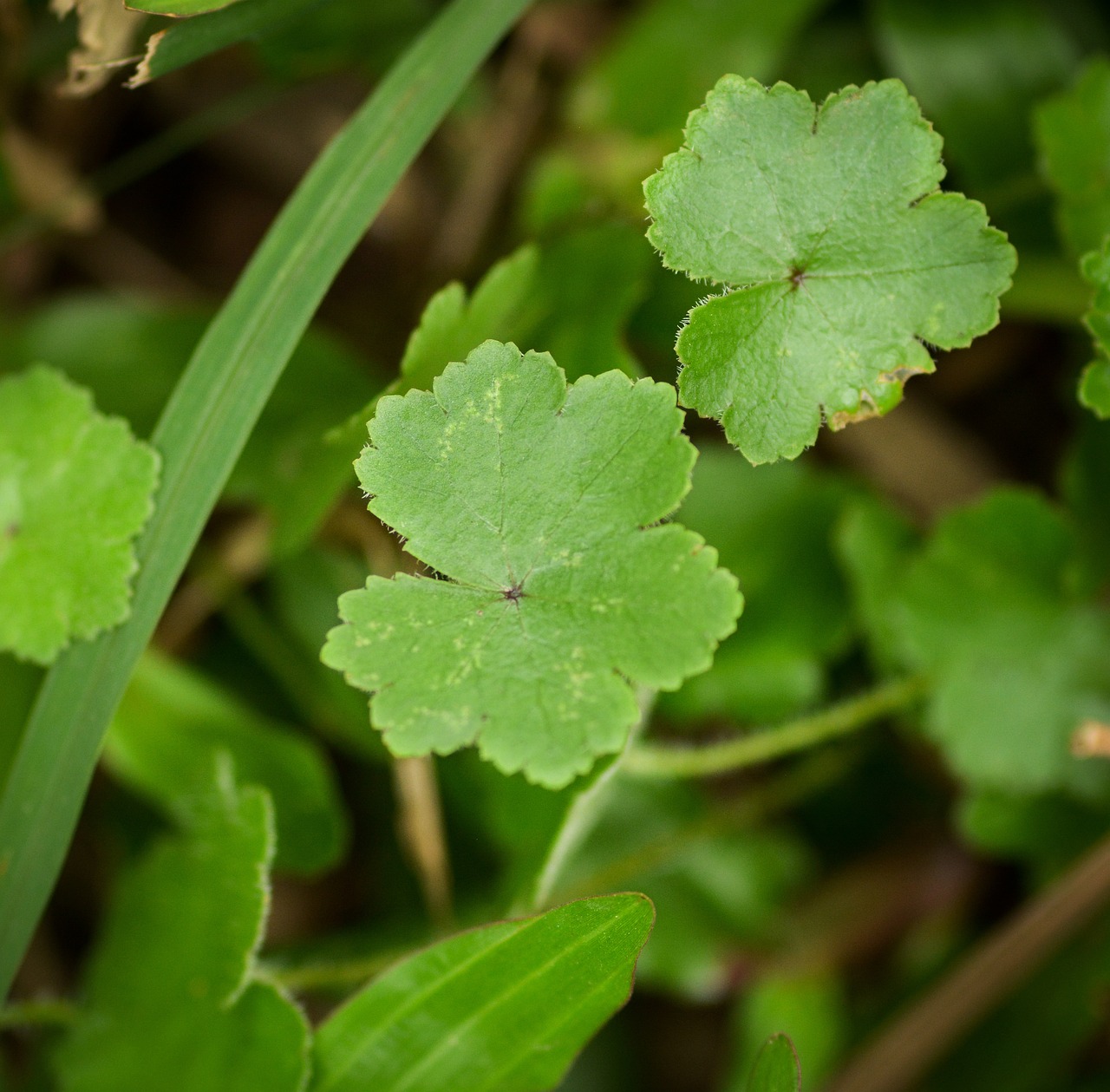
Key takeaways
- Isolates Over Extract Volume: Standardized triterpenoid compounds yield consistent anti-inflammatory and barrier-repair results compared to generic, highly diluted liquid plant extracts.
- Targeted Cell Signaling: Active Centella derivatives downregulate key inflammatory cytokines like IL-1beta and IL-6 while encouraging Type I collagen gene expression in dermal fibroblasts.
- Lipid Architecture Matrix: Optimal barrier repair occurs when purified Centella derivatives are combined with physiological epidermal lipids, such as ceramides, cholesterol, and free fatty acids.
- Vehicle Stability Matters: Formulations maintained at a mildly acidic pH level (pH 5.0–6.0) preserve the biological availability of active saponins without compromising skin mantle stability.
The Botanical Chemistry of Centella Asiatica: Extracts versus Isolates
Centella Asiatica, long recognized in traditional medical systems across Asia, has undergone extensive biochemical scrutiny within Korean cosmetic science. The raw plant material contains a complex mixture of polyacetylenes, flavonoids, volatile oils, and triterpenoid saponins. However, crude extracts—often listed on ingredient declarations as Centella Asiatica Extract—frequently consist of 90 percent or more water and solvent carriers such as butylenes glycol or glycerin, containing only trace amounts of bioactive phytochemicals.
To achieve reproducible dermatological benefits, modern cosmetic laboratories utilize Titrated Extract of Centella Asiatica, commonly referred to as TECA. TECA is a highly purified, highly concentrated powder extract that eliminates volatile plant oils, chlorophyll, and potential allergen residues. It contains specific ratios of four primary pentacyclic triterpenes: madecassoside, asiaticoside, asiatic acid, and madecassic acid. This distinction is vital for consumers analyzing product formulations. A product listing a high concentration of purified madecassoside or TECA offers a predictable pharmacological profile, whereas a product listing an arbitrarily high percentage of whole extract may contain negligible active triterpenes.
This guide is written for cosmetic consumers, formulators, and skincare enthusiasts seeking an evidence-based evaluation of topical botanicals. The research underlying this article was last reviewed for accuracy in early 2026.
Cellular Mechanisms of Epidermal and Matrix Repair
The stratum corneum operates as the skin's outer defense layer, structured like a brick-and-mortar wall where corneocytes represent the bricks and inter-corneocyte lipids act as the mortar. When physical trauma, over-exfoliation, or environmental stressors disrupt this architecture, trans-epidermal water loss accelerates and inflammatory cascades are activated. Centella Asiatica derivatives intervene at multiple cellular checkpoints to reverse this disruption.
Cytokine Modulation and Anti-Inflammatory Pathways
During barrier failure, keratinocytes release pro-inflammatory signaling proteins, including interleukin-1 beta (IL-1beta), interleukin-6 (IL-6), and tumor necrosis factor-alpha (TNF-alpha). Purified madecassoside inhibits the nuclear factor kappa B (NF-kB) signaling pathway, effectively dampening the transcription of these inflammatory mediators. By blunting this inflammatory loop, the tissue environment transitions from active destruction to structural restoration.
Fibroblast Stimulation and Collagen Dynamics
Beyond surface-level hydration, asiaticoside interacts directly with dermal fibroblasts. It triggers extracellular signal-regulated kinase pathways, inducing the expression of genes responsible for synthesis of Type I and Type III procollagen. Concurrently, madecassic acid and asiatic acid suppress the activity of specific matrix metalloproteinases—enzymes responsible for degrading structural proteins during tissue stress. This dual action accelerates tissue remodeling and restores mechanical strength to fragile, compromised skin.
Comparative Analysis of Purified Centella Derivatives
Understanding the unique chemical profile and clinical target of each individual triterpenoid derivative allows for precise evaluation of modern skincare products. While these compounds often act synergistically, each offers distinct molecular strengths within cosmetic emulsions.
| Compound Name | Chemical Classification | Primary Biological Mechanism | Formulation Focus |
|---|---|---|---|
| Madecassoside | Triterpenoid Saponin (Glycoside) | Downregulates IL-1beta and TNF-alpha; stimulates type III collagen | Soothing sensitized skin and mitigating erythema |
| Asiaticoside | Triterpenoid Saponin (Glycoside) | Promotes fibroblast proliferation and Type I collagen expression | Accelerating tissue remodeling and structural density |
| Asiatic Acid | Pentacyclic Triterpenoid (Aglcone) | Enhances glycosaminoglycan synthesis and antioxidant defense | Improving hydration retention and baseline skin firmness |
| Madecassic Acid | Pentacyclic Triterpenoid (Aglycone) | Inhibits inflammatory enzymes; supports lipid barrier organization | Reinforcing physical lipid matrix and reducing scaling |
Formulating for Sensitized and Compromised Epidermal Barriers
An active ingredient's efficacy is bounded by the delivery vehicle in which it is formulated. In Korean skin science, creating a stable medium for Centella derivatives involves balancing pH, lipid ratios, and potential chemical interactions. Highly acidic environments can hydrolyze glycosidic triterpenes like madecassoside and asiaticoside, converting them into their aglycone forms prematurely and altering their absorption profile.
For maximum structural recovery, formulations maintain an emulsion pH between 5.0 and 6.0, mirroring the healthy acid mantle. Combining triterpenes with skin-identical lipids—specifically synthetic or plant-derived ceramides (such as Ceramide NP), cholesterol, and free fatty acids—creates a physiological scaffold. As the saponins calm tissue inflammation, the ambient lipids immediately fill defects in the intercellular matrix, drastically lowering trans-epidermal water loss.
Formulators and consumers must also consider potential incompatibilities. While Centella derivatives are generally well tolerated, pairing them with aggressive chemical exfoliants (such as high-concentration glycolic acid or strong L-ascorbic acid solutions) inside the same immediate application step can cause localized smarting on raw, compromised tissue. Layering gentle Centella-rich emulsions after non-irritating, physiological steps yields superior clinical comfort.
Actionable Checklist for Evaluating Cica Products
Use this evaluation framework when analyzing skincare labels to ensure you select scientifically optimized Centella Asiatica formulations.
- [ ] Verify Derivative Names: Check the ingredient declaration for individual purified compounds (Madecassoside, Asiaticoside, Asiatic Acid, Madecassic Acid) or TECA rather than relying solely on generic Centella Asiatica Extract.
- [ ] Assess Vehicle Base: Confirm that the secondary ingredients contain supportive barrier lipids, such as Ceramides, Phytosphingosine, or Panthenol, to reinforce structural recovery.
- [ ] Examine Scent Sources: Ensure the product is free from added volatile essential oils (e.g., citrus oils, lavender oil, linalool, limonene) which can induce allergic contact dermatitis in barrier-compromised skin.
- [ ] Inspect Packaging: Select products packaged in airless pumps, aluminum tubes, or opaque containers to protect lipophilic triterpenes from oxidative degradation caused by air and UV light exposure.
- [ ] Check Emulsion pH: Look for products clearly specified as mildly acidic (pH 5.0–6.0) to ensure compatibility with the skin's natural physiological mantle.
Frequently asked questions
Does a higher percentage of Centella Asiatica extract indicate greater product efficacy?
No. Standardized botanical extracts are often diluted in water or glycols before being added to a formula. A product claiming 90 percent total plant extract may yield less actual active triterpenoid material than a formula containing 0.1 percent purified, isolated Madecassoside or TECA. Concentration of isolated active derivatives is the true measure of potency.
Can Centella Asiatica derivatives replace medical topical therapies for skin conditions?
No. While purified Centella compounds assist in mild skin soothing and supporting barrier repair, cosmetic products are formulated to maintain healthy skin structure rather than diagnose, treat, or cure acute inflammatory dermatoses such as eczema, psoriasis, or severe contact dermatitis. Persistent or severe skin conditions require medical management by a board-certified dermatologist.
Are isolated Centella saponins suitable for oily and acne-prone skin types?
Yes. Purified triterpenes like madecassoside and asiaticoside possess low comedogenic potential and do not rely on heavy occlusive oils to function. When delivered in light, aqueous gels or low-viscosity emulsions, they offer inflammatory soothing without clogging pilosebaceous units or triggering acne breakouts.
Before you decide
To verify ingredient safety standards, regulatory classifications, and scientific research regarding cosmetic safety and botanical extracts, consult official public health and scientific repositories:
- Ministry of Food and Drug Safety: Review South Korea's official regulatory standards for cosmetic ingredient safety and functional product classifications.
- National Institutes of Health: Search biomedical literature and clinical research databases regarding triterpenoid mechanics and skin tissue repair.
- Korea Disease Control and Prevention Agency: Access public health information regarding environmental exposures and prevention of contact allergies.
As of: March 2026
This article is for informational purposes only and does not constitute professional dermatological, medical, or chemical advice. Individual responses to cosmetic ingredients vary depending on health status, baseline skin integrity, and formulation specifics. Consult a qualified dermatologist or medical professional for personalized skin health evaluations and treatment plans.


Comments
Post a Comment