How Centella Asiatica Derivatives and Fermented Botanicals Restore Compromised Epidermal Barrier Function
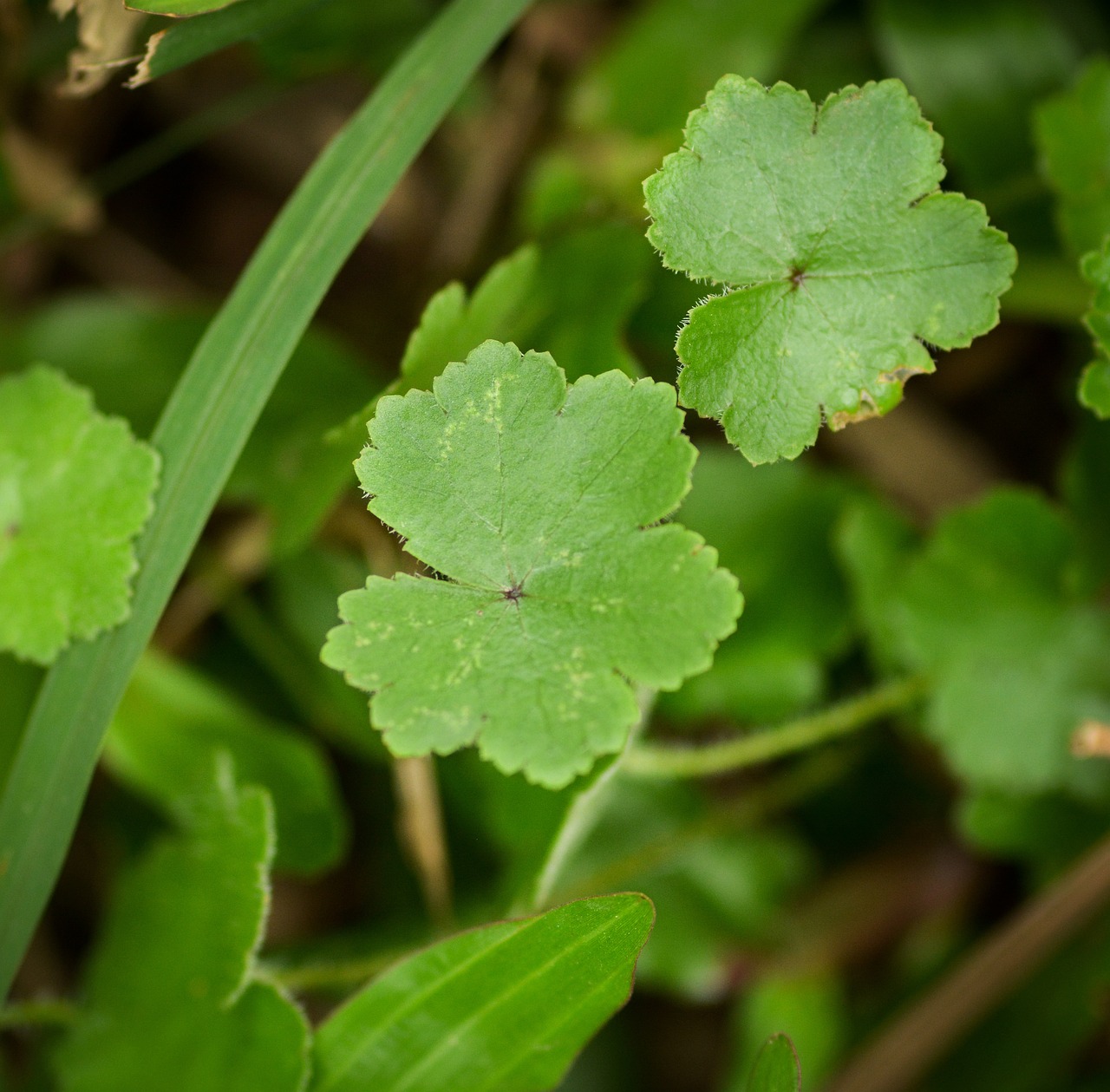
Centella Asiatica derivatives and fermented botanical extracts restore a compromised skin barrier by suppressing pro-inflammatory cytokines and accelerating intercellular lipid synthesis within the stratum corneum. Concentrated triterpenic compounds such as madecassoside and asiaticoside upregulate type I collagen synthesis, while fermentation reduces botanical molecular weight to enhance active delivery across the epidermal lipid matrix. This technical guide explains the biochemical mechanisms of these functional ingredients, outlines a structured recovery protocol, and details safe formulation integration for damaged skin.
Key takeaways
- Purified Centella Asiatica triterpenes—specifically madecassoside, asiaticoside, asiatic acid, and madecassic acid—downregulate inflammatory mediators including interleukin-6 (IL-6) and tumor necrosis factor-alpha (TNF-a).
- Microbial fermentation breaks complex plant polysaccharides into low-molecular-weight amino acids, organic acids, and antioxidants, improving trans-epidermal absorption without disturbing native skin pH.
- Barrier repair requires restoring the stratum corneum lipid ratio of ceramides, cholesterol, and free fatty acids to approximately 3:1:1 while maintaining a slightly acidic physiological pH (4.5–5.5).
- Fermented filtrates must be introduced cautiously, as individuals with compromised cutaneous microbiomes or fungal sensitivity may experience transient follicular irritation.
Understanding Stratum Corneum Dysfunction and Intercellular Lipid Depletion
The stratum corneum operates as the primary biophysical shield between internal tissue and environmental stressors. Structured akin to a brick-and-mortar assembly, non-viable keratinocytes (corneocytes) are embedded within a continuous hydrophobic matrix composed of ceramides, cholesterol, and free fatty acids. When physical friction, chemical over-exfoliation, or environmental degradation disrupts this extracellular matrix, trans-epidermal water loss (TEWL) rises significantly, resulting in xerosis, erythema, and heightened neurosensory reactivity.
Under non-pathological conditions, the natural skin surface maintains a protective acid mantle with a pH range between 4.5 and 5.5. This acidity is necessary for regulating enzymatic activity involved in lipid processing, such as beta-glucocerebrosidase, which synthesizes barrier ceramides. When alkaline cleansing agents or harsh exfoliation shift surface pH upward, endogenous serine proteases become overactive, prematurely degrading corneodesmosomes and weakening structural integrity before lower epidermal layers can synthesize replacement lipids. This informational analysis is formulated for consumers, formulators, and skincare enthusiasts seeking scientific clarity on topical barrier repair mechanisms, and the clinical evidence presented here was last verified in May 2026.
Centella Asiatica Actives: Madecassoside, Asiaticoside, and Triterpenes
Centella Asiatica, long utilized in traditional East Asian medicine, owes its clinical efficacy to a distinct group of pentacyclic triterpenoid saponins. Raw plant extract yields variable constituent ratios, but purified isolates provide reproducible therapeutic activity. The primary bio-active molecules extracted from the plant include:
- Madecassoside: A glycosidic triterpene that suppresses lipopolysaccharide-induced inflammatory cascades, reduces hyperpigmentation by inhibiting melanocyte activity triggered by inflammation, and stimulates dermal fibroblast collagen secretion.
- Asiaticoside: A saponin that promotes early-phase wound healing by accelerating angiogenesis, increasing extracellular matrix deposition, and boosting antioxidant enzyme levels such as superoxide dismutase (SOD) and catalase.
- Asiatic Acid and Madecassic Acid: Non-glycosylated aglycones that display potent antimicrobial property profiles and aid in structural lipid organization within cell membranes.
When applied to barrier-compromised skin, Titrated Extract of Centella Asiatica (TECA)—a standardized mixture typically containing high ratios of these four compounds—suppresses the nuclear factor kappa-light-chain-enhancer of activated B cells (NF-kB) signaling pathway. By blocking this transcriptomic pathway, the production of pro-inflammatory cytokines is markedly diminished, shifting damaged epidermal tissue from a chronic inflammatory state into an active physiological remodeling phase.
Fermentation Technology in K-Beauty: Bioavailability and Molecule Size
Fermentation in Korean cosmetic formulation involves exposing plant substrates to specific micro-organisms—such as Galactomyces, Saccharomyces, or Lactobacillus species—under controlled thermal and atmospheric conditions. This bio-conversion process alters active botanicals through three distinct biochemical pathways:
First, enzymatic activity breaks down large, complex complex carbohydrate chains and proteins into low-molecular-weight fragments. Standard plant extracts often contain active molecules larger than 500 Daltons, restricting passive movement past the stratum corneum. Fermentation yields short-chain amino acids, low-molecular-weight peptides, and bio-available organic acids that penetrate intercellular pathways more efficiently.
Second, fermentation synthesizes beneficial secondary metabolites. Micro-organisms secrete natural organic acids, such as lactic acid and gluconic acid, which assist in buffering product formulations to match the skin's acidic mantle. Additionally, metabolic pathways generate essential vitamins (particularly B-complex group factors) and bio-available polyphenols that neutralize reactive oxygen species (ROS).
Third, the microbial processing acts as a natural stabilization step. Unrefined plant extracts contain complex enzymes that can degrade active compounds over time. Fermentation hydrolyzes these unstable proteins, producing a chemically consistent substrate with prolonged shelf stability and reduced reliance on heavy synthetic stabilization agents.
Structural Comparison of Barrier Repair Compounds
To understand how botanical isolates compare to synthetic and physiological lipids, the following reference table details the primary mechanisms, target biomarkers, and typical functional parameters of primary barrier-restoration actives.
| Ingredient Isolate | Primary Biomarker Target | Biochemical Mechanism | Optimal pH Stability Range |
|---|---|---|---|
| Madecassoside | IL-6, TNF-a, NF-kB | Suppresses inflammatory cytokine release; stimulates collagen I synthesis | 4.5 – 6.5 |
| Asiaticoside | Aquaporin-3 (AQP3), SOD | Enhances cellular hydration transport and boosts endogenous antioxidant enzymes | 5.0 – 7.0 |
| Galactomyces Ferment Lysate | Involucrin, Filaggrin | Upregulates epidermal differentiation markers and natural moisturizing factor (NMF) | 4.0 – 5.5 |
| Ceramide NP | Stratum Corneum Lipid Matrix | Directly integrates into damaged intercellular lamellar sheets to stop TEWL | 5.0 – 6.0 |
Step-by-Step Protocol for Epidermal Barrier Restoration
When the epidermal barrier is compromised, topical routines must be stripped of potential irritants, such as direct L-ascorbic acid, high-concentration alpha-hydroxy acids (AHAs), synthetic retinoids, and volatile essential oils. Follow this ordered five-step functional protocol to normalize barrier function:
- Cleansing with Non-Ionic Surfactants: Use a low-foaming, non-soap cleanser formulated with amphoteric or non-ionic surfactants (such as coco-glucoside or decyl glucoside). Maintain a surface contact time under 60 seconds using tepid water (30–32°C) to minimize lipid elution.
- Application of Fermented Water-Soluble Essence: Dispense a pure bio-ferment filtrate onto slightly damp skin. Pat lightly rather than rubbing to allow low-molecular-weight amino acids and organic acids to saturate the upper corneocyte layers and lower surface pH.
- Targeted Isolate Serum Layering: Apply a concentrated serum containing isolated madecassoside (0.1% to 0.5%) or standardized TECA. Ensure the formulation is free of denatured alcohol and fragrance allergens that could trigger neurosensory stinging.
- Physiological Lipid Replenishment: Follow immediately with a heavy emulsion or cream featuring a 3:1:1 molar ratio of ceramides, synthetic or plant-derived cholesterol, and free fatty acids. This ratio mimics the exact physical arrangement of lamellar lipids in healthy skin.
- Non-Nano Inert Photoprotection: Finish during daylight hours with a purely physical broad-spectrum sunscreen utilizing non-nano zinc oxide. Mineral filters sit inertly atop damaged skin without absorbing into inflamed lower layers or causing thermal reactivity.
Ingredient Compatibility and Barrier Recovery Checklist
Integrating specialized Centella isolates and fermented extracts requires precise product selection to prevent additive skin irritation. Before initiating a restorative regimen, verify product properties using this actionable checklist:
- pH Balance Verification: Confirm that liquid essences and serums maintain a verified pH between 4.5 and 5.5 to prevent disrupting acid mantle restoration.
- Exclusion of Volatile Terpenes: Check ingredient lists to ensure products containing Centella derivatives do not contain added essential oils like lavender, eucalyptus, or citrus oils, which contain volatile limonene and linalool that exacerbate cutaneous inflammation.
- Isolate Concentration Clarity: Look for products that specify precise purified active concentrations (e.g., 0.2% madecassoside) rather than vague overall plant water percentages (e.g., 80% Centella Asiatica water), which often contain minimal active triterpene levels.
- Microbial Sensitivity Pre-Screening: If you have a history of malassezia folliculitis (fungal acne) or active seborrheic dermatitis, limit high-concentration yeast ferments and favor isolated triterpenic molecules until the barrier is fully intact.
- Patch Testing Protocol: Perform a mandatory localized patch test on the inner forearm or behind the ear twice daily for 48 consecutive hours before full facial application.
Safety Guidelines and Potential Sensitivity Factors
While Centella Asiatica derivatives and fermented filtrates exhibit exceptional safety profiles, non-targeted responses can occur. Raw, unrefined plant extracts may contain environmental contaminants, botanical proteins, or residual pollen compounds that cause contact allergy in highly sensitive individuals. Formulations utilizing ultra-purified isolates (madecassoside, asiatic acid) minimize this allergen load by filtering out unneeded plant proteins.
Furthermore, ferment filtrates rich in amino acids and lipids can occasionally stimulate the growth of opportunistic skin flora if the natural microbiome is unbalanced. Individuals suffering from severe barrier breakdown accompanied by open fissures or weeping lesions should avoid complex fermented broths temporarily. In such acute instances, simple occlusive petrolatum-based barriers combined with single-component anti-inflammatory molecules are preferable until basic re-epithelialization is achieved.
Frequently asked questions
How long does stratum corneum barrier recovery typically take under optimal conditions?
In mild cases of lipid loss, stratum corneum normalization occurs within 14 to 21 days, matching the natural cellular turnover rate of human epidermis. Severe chemical over-exfoliation or chronic inflammatory barrier degradation may require 28 to 45 days of consistent lipid replacement and avoidance of active irritants for full biophysical recovery.
Can fermented skincare ingredients trigger fungal acne or folliculitis?
Yes. Ferment filtrates contain lipids, amino acids, and organic compounds that can act as metabolic substrates for Malassezia species (yeasts naturally present on human skin). If an individual is prone to fungal folliculitis, dense fermented broths can provoke localized follicular inflammation and small uniform pustules.
What is the difference between crude Centella Asiatica extract and purified Madecassoside?
Crude Centella Asiatica extract is produced by steeping whole plant material in solvent, resulting in a liquid that is mostly water and dissolved sugars with variable active triterpene content. Purified madecassoside is an isolated, highly concentrated powder compound standardized to precise pharmacological purity levels, ensuring predictable anti-inflammatory performance.
Before you decide
- Ministry of Food and Drug Safety - Review South Korean regulatory safety standards for cosmetics, functional skin ingredient classifications, and approved safety testing protocols.
- National Institutes of Health - Search peer-reviewed medical publications on triterpene pharmacology, wound healing pathways, and epidermal barrier physiology.
- World Health Organization - Access global public health resources regarding chemical safety benchmarks and international toxicological guidelines.
As of: May 2026
The information provided in this article is for educational and scientific informational purposes only and does not constitute professional medical advice, diagnosis, or treatment. Always consult a board-certified dermatologist or qualified healthcare provider regarding any specific skin condition, persistent inflammation, or before initiating new dermatological therapies.


Comments
Post a Comment